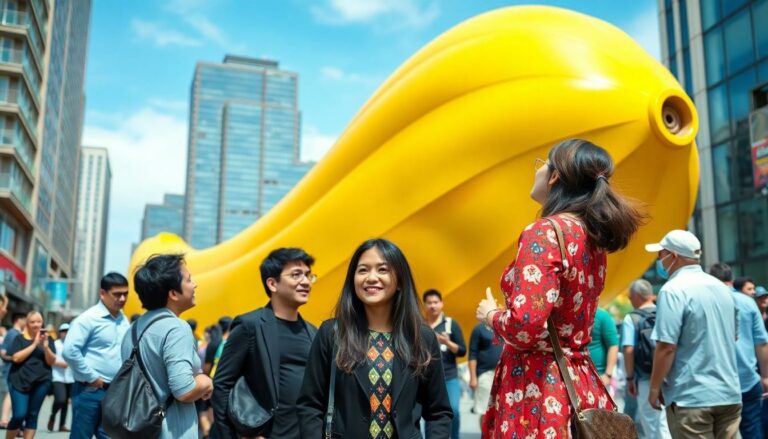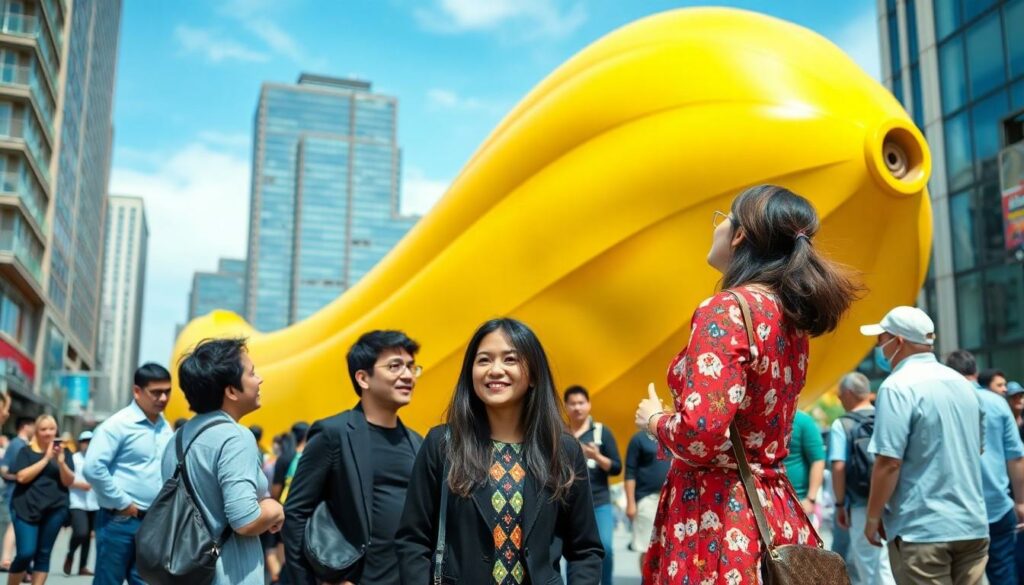
Modern art can be a wild ride, and it often leaves people scratching their heads in confusion. From giant banana sculptures to piles of unmade beds, the world of contemporary art is a playground for the bizarre and the unconventional. It challenges our perceptions and invites us to question what art really is.
Imagine walking into a gallery and encountering a canvas splattered with paint that looks suspiciously like someone’s lunch leftovers. Is it genius or just a prank? This article dives into the quirky realm of weird modern art, exploring its most outrageous pieces and the stories behind them. Get ready to embrace the absurd and discover why these unconventional creations are turning heads and sparking conversations around the globe.
Understanding Weird Modern Art
Weird modern art captivates and perplexes audiences, prompting deep contemplation of artistic expression. Its unconventional nature encourages exploration beyond traditional aesthetics.
Defining Weirdness in Art
Weirdness in art often reflects the unconventional, unusual, or absurd elements that defy norms. Artists aim to evoke emotions or challenge perceptions through bizarre imagery and unexpected materials. Artists like Damien Hirst and Jeff Koons exemplify this trend with striking works that provoke intense reactions. Feeling confused by a giant balloon animal sculpture or a living installation reveals the power of the unexpected in engaging viewers. Varied interpretations arise from each piece, inviting diverse perspectives and discussions among audiences.
Historical Context
Modern art’s evolution laid the groundwork for today’s weird creations. Movements like Surrealism, Dada, and Abstract Expressionism broke boundaries, encouraging artists to embrace the nonsensical. Artists in the early 20th century challenged reality through dreamlike imagery and irrational juxtapositions. They sought liberation from traditional forms, fostering bold experiments that continue to resonate. Over time, weirdness in art has become increasingly accepted and celebrated, revealing its significance in cultural discourse. Artists today draw inspiration from this rich history, pushing the limits of creativity in contemporary art.
Characteristics of Weird Modern Art
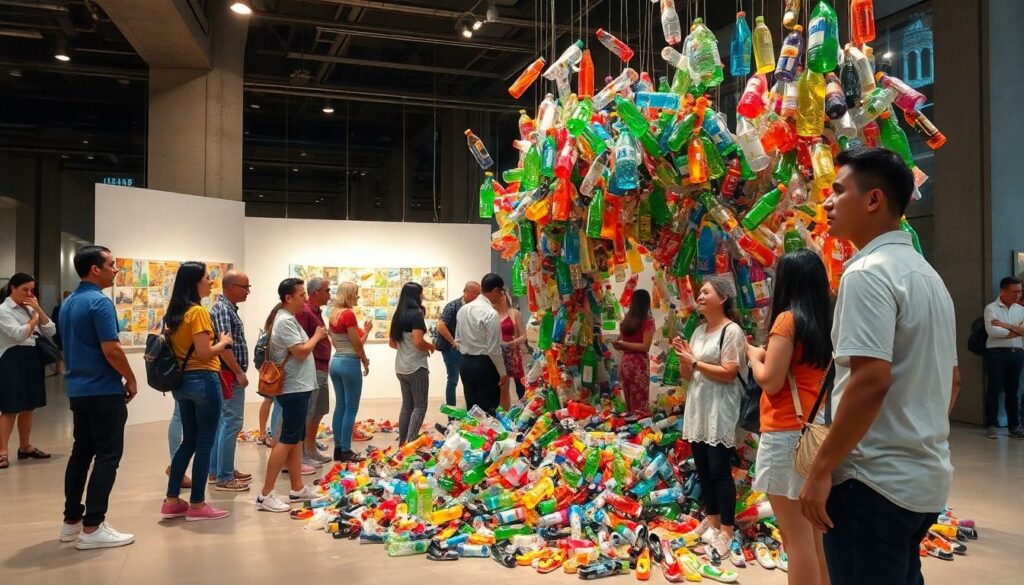
Weird modern art exhibits distinct characteristics that challenge conventional aesthetic values. This art often embraces the unconventional, pushing boundaries through unique expressions.
Unconventional Materials
Artists frequently utilize unexpected materials in their creations. Items such as found objects, recycled materials, and everyday products serve as essential components. For instance, the use of plastic bottles or old shoes transforms these conventional items into art pieces. The incorporation of unconventional materials provokes conversations about consumerism and environmental issues. Innovative approaches to material selection highlight creativity and encourage viewers to rethink their perceptions of art.
Unique Artistic Techniques
Innovative techniques dominate the landscape of weird modern art. Artists experiment with methods like installation, performance, and interactive art. By employing techniques that engage viewers physically or emotionally, artists create immersive experiences. For example, performance art blurs the lines between the artist and the audience, fostering connection. Unique approaches to artistic expression challenge traditional expectations, allowing for diverse interpretations and emotional responses. This complexity adds layers to the experience, enriching the dialogue surrounding modern art.
Notable Weird Modern Artists
Weird modern art features many distinctive artists. Below are two influential figures whose unique styles challenge perceptions and provoke thought.
Artist Spotlight: Yayoi Kusama
Yayoi Kusama captivates audiences with her polka dot patterns and immersive installations. Known for her infinity rooms, she creates environments that toy with perception and reflect her ongoing struggle with mental health. Every piece radiates her obsession with repetition and the concept of self-obliteration. Kusama’s art often ignites discussions about identity and infinity, inviting viewers to lose themselves in her vibrant worlds. Exhibitions featuring her work draw huge crowds, showcasing her significant impact on contemporary art.
Artist Spotlight: Damien Hirst
Damien Hirst pushes boundaries with shocking and provocative works. His famed piece, “The Physical Impossibility of Death in the Mind of Someone Living,” features a preserved shark in formaldehyde, challenging viewers’ understanding of mortality. Hirst’s exploration of life and death creates a visceral experience that demands reflection. Often utilizing unconventional materials, he raises questions about value and authenticity in art. His bold choices spark debates about the nature of creativity, solidifying his role as a controversial figure in modern art.
The Impact of Weird Modern Art
Weird modern art significantly shapes cultural narratives and provokes crucial dialogues. This type of art encourages audiences to rethink societal norms and expectations.
Cultural Influence
Weird modern art influences various cultural dimensions, including fashion, music, and film. Artists inspire designers to experiment with unconventional aesthetics. Cultural events often feature bizarre art pieces that engage public interest. Public installations invite viewers to experience art outside traditional settings, fostering community interaction. Art fairs and exhibitions showcase works that reflect contemporary societal issues, sparking discussions and reflections. Consequently, art movements rooted in eccentricity continue to inspire artists across multiple disciplines.
Audience Reception
Audience reception of weird modern art varies widely. Some viewers embrace its unconventional nature, appreciating the boldness and originality. Others may find it confusing or unappealing, questioning its artistic value. Public debates about these artworks often emerge, revealing diverse perspectives. Social media amplifies these discussions, allowing art enthusiasts to share opinions and reactions instantly. Art critics contribute to the discourse by analyzing and interpreting these challenging pieces. Ultimately, this wide range of reactions illustrates the powerful impact of weird modern art on society.
Weird modern art serves as a mirror reflecting the complexities of contemporary society. It pushes boundaries and challenges viewers to confront their perceptions of creativity and meaning. By embracing the unconventional artists invite audiences to engage in deeper conversations about identity culture and the human experience.
As this art form continues to evolve it remains a vital part of cultural discourse. The discussions it sparks are just as significant as the artworks themselves. Whether loved or criticized weird modern art encourages exploration and reflection in a world that often feels chaotic and unpredictable.